Swechha for Little Birds
Building Awareness. Teaching Safety. Empowering Children.
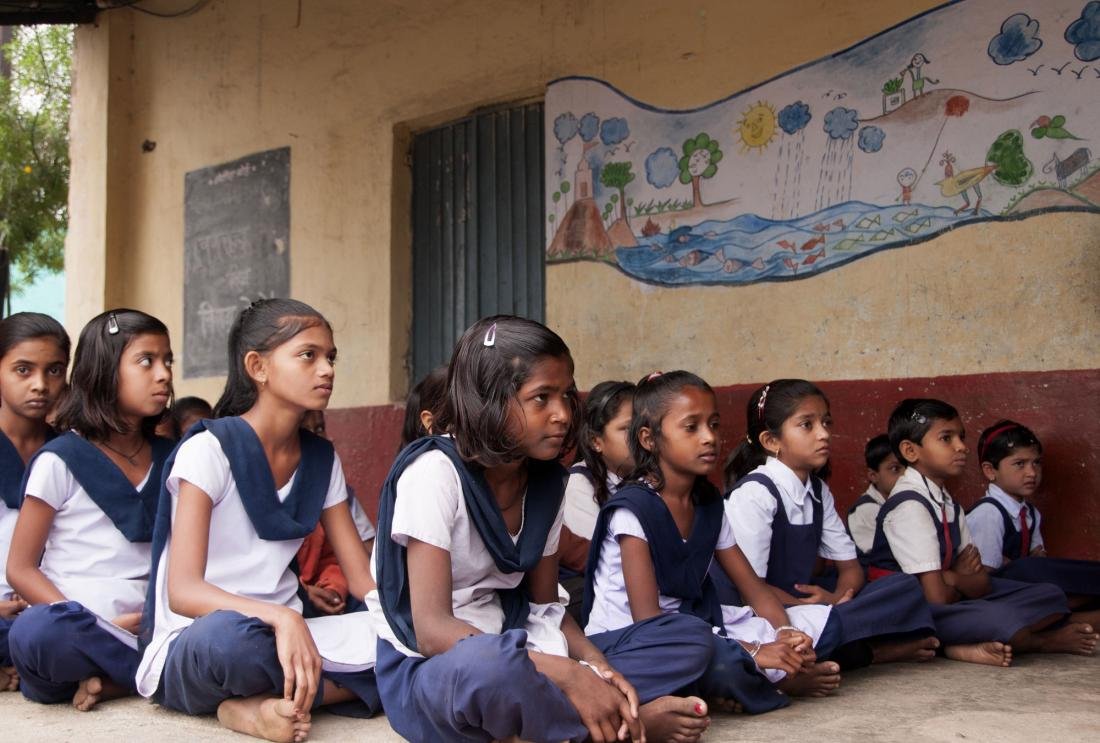
Swechha for Little Birds (SFLB) is a child-safety awareness program designed for children aged 6 to 12 (Grades 1 through 7) in government primary and upper-primary schools. Guided by the 2012 Protection of Children from Sexual Offences (POCSO) Act, SFLB is dedicated to educating students about personal boundaries and safe vs. unsafe touch.
The program helps children develop an age-appropriate understanding of personal safety, safe and unsafe touch, personal boundaries, and the importance of speaking up and seeking help when they feel uncomfortable or unsafe.
Through interactive classroom sessions, engaging activities, role plays, educational materials, and open conversations, SFLB creates a safe and supportive learning environment where children can learn about personal safety in a way that is simple, sensitive, and appropriate to their age.
The program also engages teachers and school staff, helping strengthen their ability to reinforce child-safety awareness and contribute to a more supportive and protective school environment.
Till date, Swechha For Little Birds has engaged over 4400 children
Quantitative Impact
Reach
Swechha for Little Birds directly engages with a significant number of students from numerous selected schools, ensuring widespread coverage across the targeted demographic.
Frequency
The visits are conducted annually, allowing for consistent engagement and reinforcement of key learnings.
Duration
Each session, lasting 2-3 hours, provides ample time for comprehensive discussions, activities, and knowledge sharing.
Qualitative Impact
Increased Awareness: The initiative significantly enhances awareness among the children on crucial topics such as understanding safe touch and unsafe touch, knowing personal boundaries, recognizing uncomfortable situation or abuse, internet safety, and bullying.
Empowerment: Through education, SFLB empowers children with the knowledge to recognize and prevent potential threats and speak up against any form of abuse or bullying.
Community Engagement: SFLB’s outreach extends beyond students to families and society, sparking conversations and promoting understanding of the challenges faced by young children.
Long-term Impact: By equipping the children with knowledge, resources, and support, SFLB lays the foundation for long-term positive outcomes, including prevention of child abuse.
Anonymous Questions: The children are encouraged to ask questions anonymously, allowing them to address issues that might normally bring up feelings of shame, thereby promoting open and honest communication.
Safe Learning Environment: The program emphasizes building a safe space for young children to learn about their personal boundaries and safety.
How the SFLB Program Works
Swechha for Little Birds uses a combination of classroom education, practical learning, open communication, and capacity building to create lasting awareness of child safety within the school community.
Classroom-Based Awareness Sessions
Interactive awareness sessions are conducted directly in government primary and upper-primary school classrooms. Using age-appropriate stories, visual materials, activities, and role plays, facilitators introduce children to important concepts of personal safety and help them understand how to respond to situations that may make them feel uncomfortable or unsafe.
The sessions are designed to be engaging and participatory rather than purely instructional, allowing children to learn through discussion, examples, and activities appropriate to their age.
Hands-On Activities
Children participate in practical, age-appropriate activities that help them understand:
- The difference between safe and unsafe touch
- The importance of personal space and boundaries
- How to recognize situations that make them uncomfortable
- How they can respond when someone crosses their boundaries
- The importance of telling a trusted adult when they need help
These activities are conducted in a sensitive manner, considering the age, understanding, and comfort level of the children.
Interactive Questions & Conversations
An important part of SFLB is creating a safe and supportive space for children to ask questions.
Facilitators encourage children to express their thoughts and concerns without fear or embarrassment. Interactive discussions help children understand that they can seek help when something does not feel right and that they should never feel afraid or ashamed to speak to a trusted adult.
Educational Materials
Children are provided with age-appropriate educational materials that reinforce the key messages shared during the awareness sessions.
Capacity Building for Teachers & School Staff
SFLB recognizes that creating a safer environment for children requires the involvement of the entire school community. Targeted orientation and capacity-building workshops are conducted for teachers and school staff to strengthen their understanding of child safety and their ability to reinforce the messages introduced through the program.
Creating a Culture of Safety
SFLB is designed not simply as a one-time awareness activity, but as a step toward creating a culture of safety, awareness, and open communication within schools.
By empowering children with knowledge and confidence, while strengthening the capacity of teachers and school staff, the program seeks to help create school environments where children feel safe, respected, supported, and confident to speak up.
Empowering children with knowledge today. Building safer futures tomorrow.